
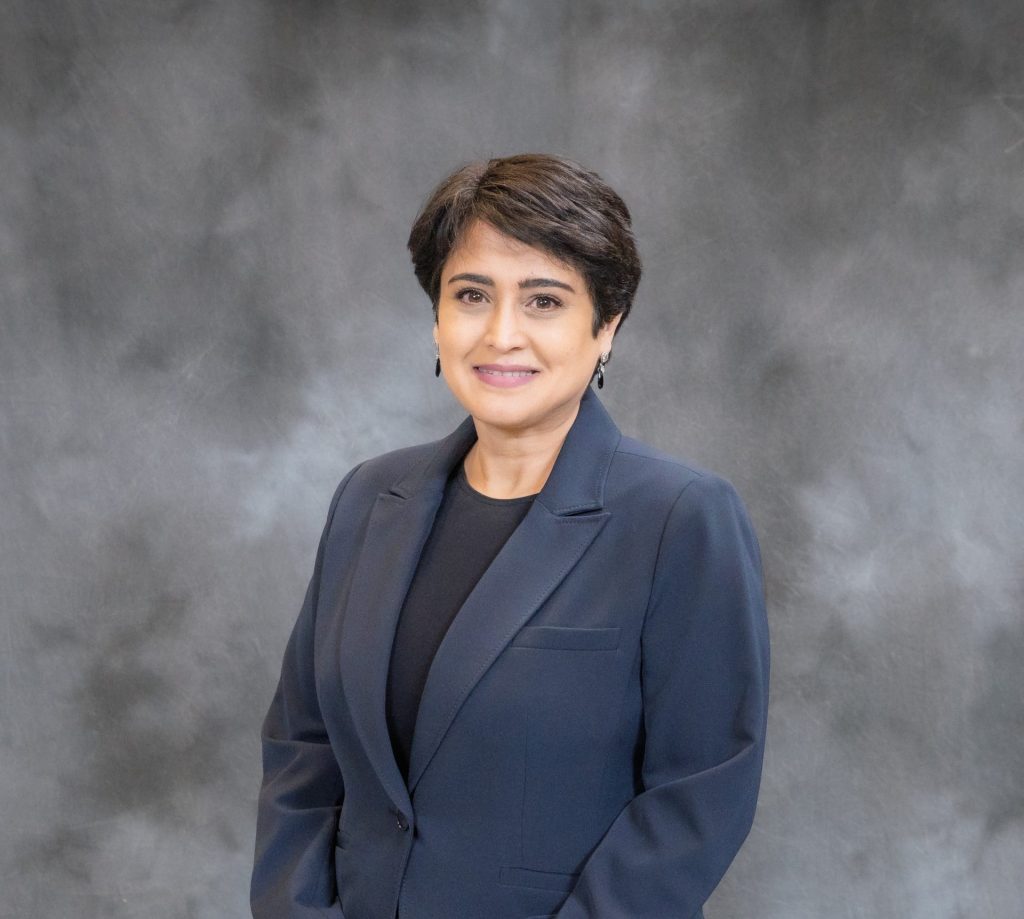
Mitra Mirhassani is a Professor in the Department of Electrical and Computer Engineering at the University of Windsor, where she leads the SHIELD Centre of Excellence (Secure Hardware for Intelligent Embedded Systems with Layered Defence).
Autonomous vehicles rely on LiDAR, cameras, and radar to “see” the road and make split-second decisions, but low-cost light or signal injection can create false “ghost” obstacles or conceal real hazards, triggering unsafe braking or steering. Although these technologies have advanced rapidly, they remain vulnerable to physical attacks that target the sensing layer.
Mirhassani and Rahman’s project will strengthen sensing and perception so vehicles can operate safely when inputs are distorted. They will develop layered, real-time defences that flag suspicious patterns in sensor signals and early perception outputs, then cross-check information across sensors and over time to confirm what is physically plausible. When inconsistencies persist, the vehicle can reduce speed, increase safety margins, request driver takeover, or switch to a safer operating mode.
Mirhassani and Rahman will run attack experiments and hardware- and software-in-the-loop tests to measure detection accuracy, alarm rates, and impacts on latency and safety. Leveraging their combined expertise, the project will deliver tools, datasets, and guidance to help stakeholders assess sensor trustworthiness and strengthen autonomy systems.
